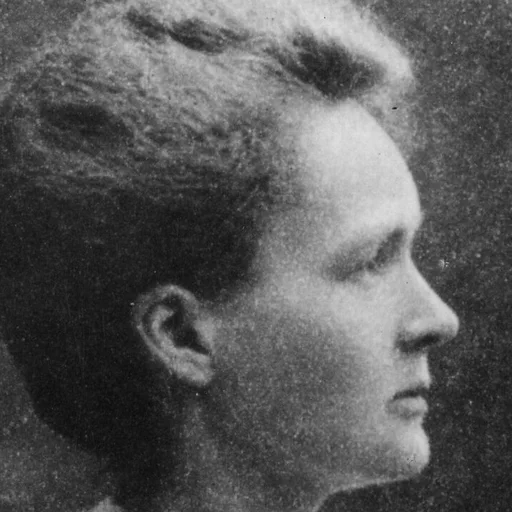
Marie Curie
Poland & France, 1867–1934
“Quiet intensity that changes what's possible.”
- Relentlessly focused
- Quietly fearless
- Rigorous
Which Historical Figure Are You?
Answer 14 quick questions and find out which of 20 legends matches your personality.
Take the quiz →⏱ 4 min · Free to answer · pay only to reveal your result
The Marie Curie type belongs to people who let their work speak for them. They don't need the spotlight, but when something matters, their focus and persistence are extraordinary. If this sounds like you, take the quiz and see which historical figure you match.
Who the Marie Curie type is
People who match the Marie Curie type tend to commit fully to the task in front of them. They are comfortable with long, unglamorous hours, careful measurements and repeated attempts, because they care about getting it right. Their dedication often goes unnoticed until the results appear, and then nobody can ignore it.
This type is calm, modest and surprisingly bold. Curie-style personalities walk into spaces where they are underestimated and simply keep going. They value substance over show, respect from people who understand the work and the satisfaction of solving something genuinely difficult.
Signature traits
- Relentlessly focused
- The Marie Curie type can concentrate on one goal for a very long time without losing momentum.
- Quietly fearless
- People of this type take on hard challenges without fanfare, and obstacles rarely stop them.
- Rigorous
- This type checks, measures and double-checks, trusting careful evidence over quick impressions.
What Marie Curie is known for
Poland & France, 1867–1934
- Being the first woman to win a Nobel Prize
- Being the only person to win Nobel Prizes in two different sciences, physics (1903) and chemistry (1911)
- Discovering the elements polonium and radium
- Pioneering research on radioactivity, a term she helped coin
Fun facts about Marie Curie
- She named polonium after her home country, Poland.
- She became the first woman professor at the University of Paris.
- Her daughter Irène Joliot-Curie also won a Nobel Prize in Chemistry, in 1935.
- The element curium and the unit called the curie are named in honor of her and Pierre Curie.
Which Historical Figure Are You?
Answer 14 quick questions and find out which of 20 legends matches your personality.
Take the quiz →⏱ 4 min · Free to answer · pay only to reveal your result
More historical figures
See all 20 types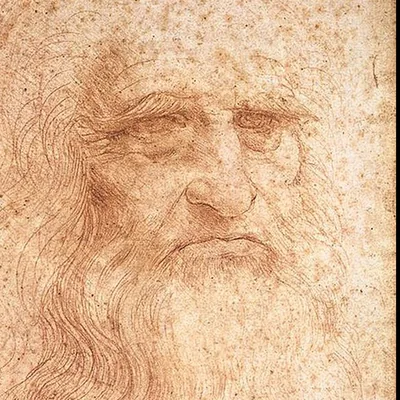 Leonardo da VinciForty unfinished projects, all of them genius.
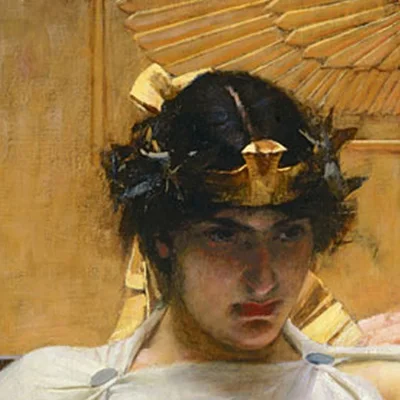 CleopatraThe strategist who made every entrance count.
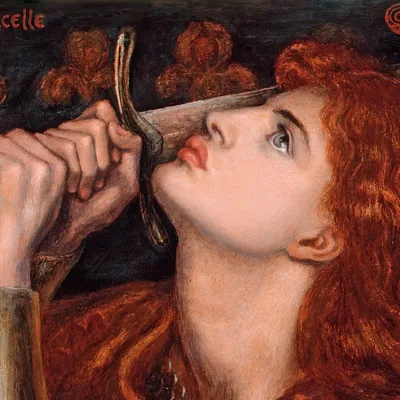 Joan of ArcWhen you believe in something, you charge.
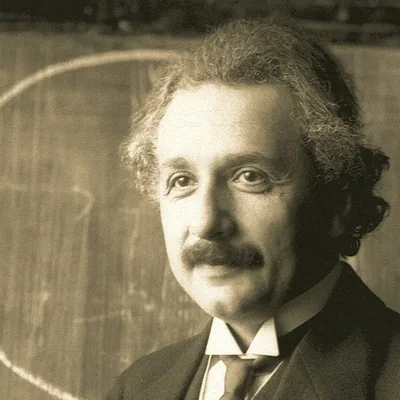 Albert EinsteinAsks "what if?" until the universe answers.
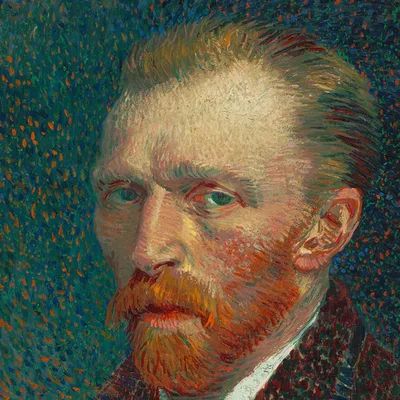 Vincent van GoghFinds a whole sky in an ordinary Tuesday.
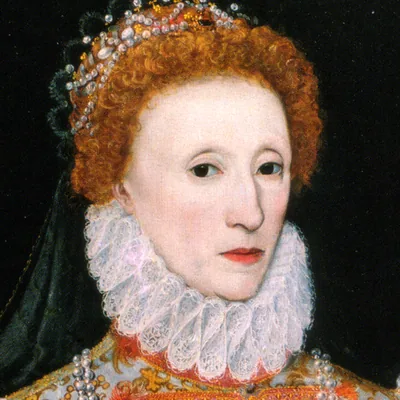 Elizabeth IDecides once, rules for decades.
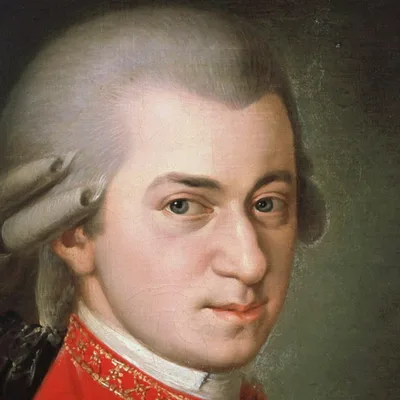 Wolfgang Amadeus MozartMakes brilliance look like the best kind of play.
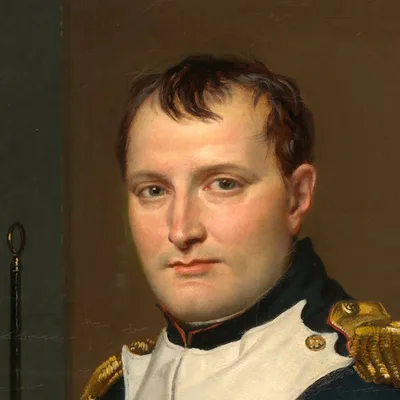 Napoleon BonaparteBig goals, bigger plans, zero days off.
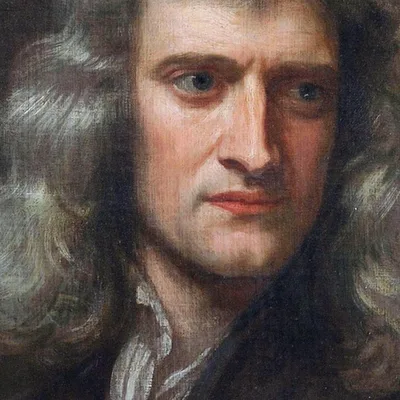 Isaac NewtonDoesn't rest until the pattern has a name.
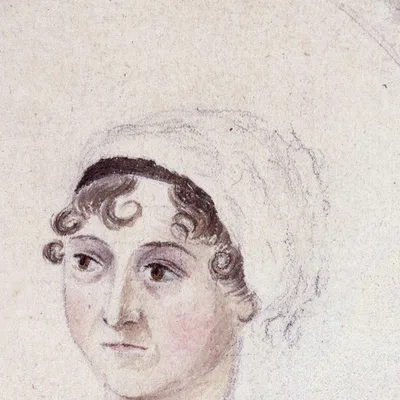 Jane AustenSees through everyone, and still likes most of them.
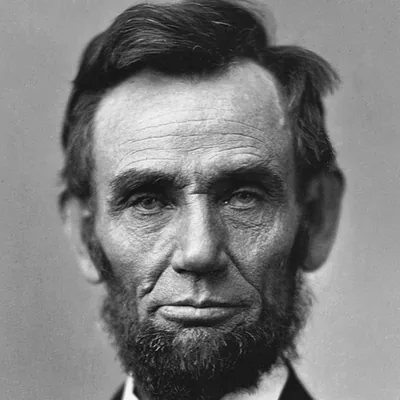 Abraham LincolnSteady hands, honest words, and a joke for every storm.
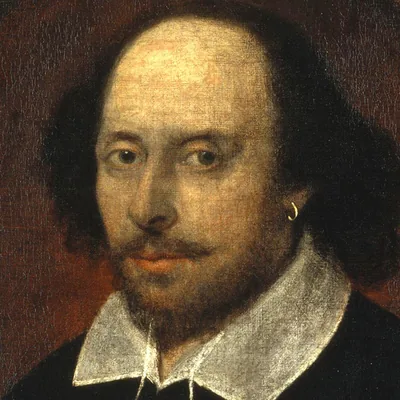 William ShakespeareEvery feeling deserves a great line.
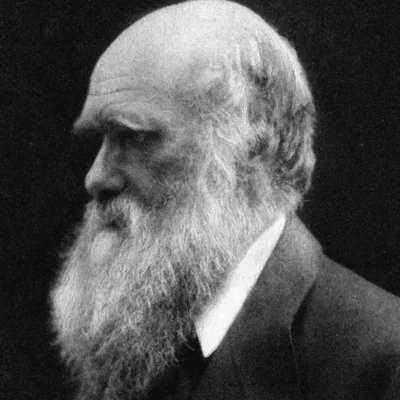 Charles DarwinNotices everything, concludes carefully, changes the world.
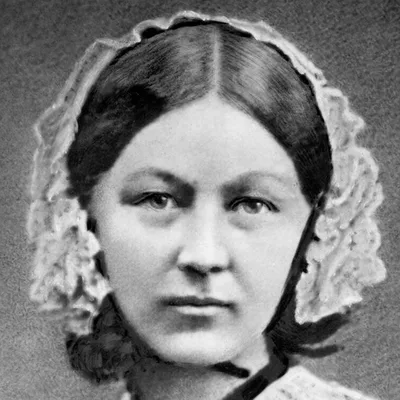 Florence NightingaleCompassion with a spreadsheet and a plan.
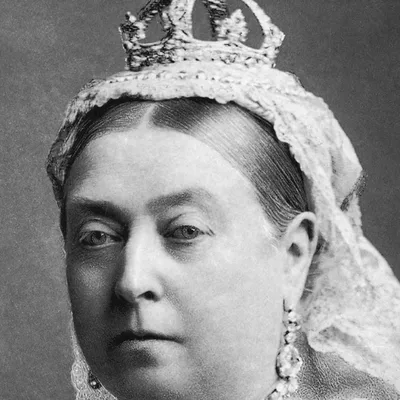 Queen VictoriaLoyal to the bone, and the family comes first.
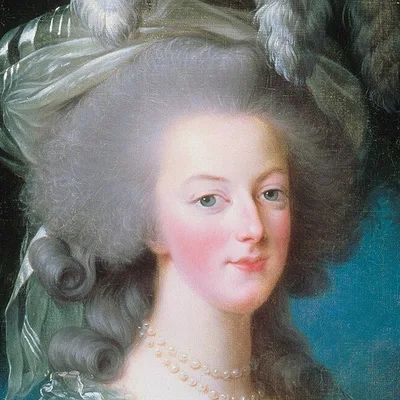 Marie AntoinetteStyle is a love language, and you're fluent.
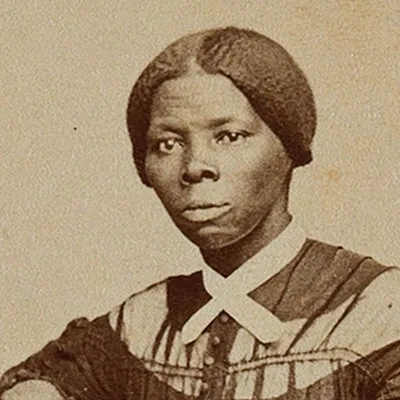 Harriet TubmanGoes back for the people she loves.
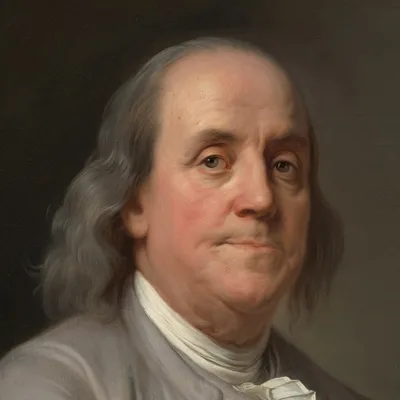 Benjamin FranklinHas a gadget, a joke, and an introduction for you.
- ??? +1 secretOnly the quiz can reveal it.